
Why should you buy a built-in fridge for your kitchen?
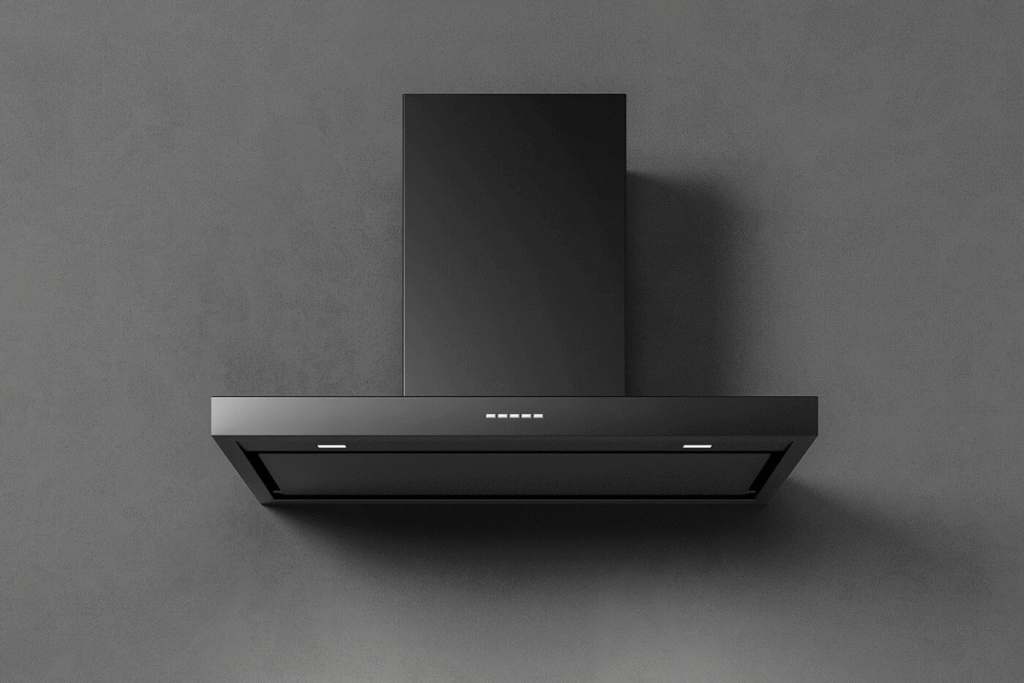
Cook in your kitchen for a week straight and you will notice what most people ignore at first. The air feels heavier, the cabinets pick up a thin layer of grease, and smells don’t leave as quickly as they should. This is not about how often you clean. It comes down to ventilation. Many kitchens have a hood installed, but it is treated like a last-minute addition rather than part of the design.
That is why it either looks out of place or does not perform well enough. A built-in solution changes that approach completely. Built-in Hoods are planned along with the cabinetry, not added after everything else is done. They sit where they are supposed to, work the way they should, and don’t disrupt the layout. If your kitchen is meant for regular use, this is one detail you cannot afford to overlook.
What Are Built-in Hoods and How Are They Different?
A Built-in Hoods system is installed inside a cabinet or a concealed unit above your cooking area. You do not see a large metal structure hanging on the wall. Instead, the hood blends into the design.
This leads to a few clear differences:
- It does not stick out visually
- It aligns with cabinet lines and finishes
- It becomes part of the kitchen instead of an extra attachment
The goal is simple. Keep the kitchen clean in appearance while still handling smoke, oil, and heat effectively.
Why a Visible Hood Can Disrupt Your Kitchen
A chimney or wall-mounted hood does its job, but it always becomes a focal point. That may not be what you want, especially in a modern setup.
Common issues with visible hoods:
- They break the flow of cabinet lines
- They draw attention away from the overall design
- They can make smaller kitchens feel crowded
Built-in Hoods avoid this completely. They do the same job without turning into the centre of attention.
Daily Cooking Feels Different with Proper Ventilation
This is where the real value shows up. Not in how the kitchen looks, but in how it feels to use.
With Built-in Hoods in place:
- Smoke clears faster while cooking
- Strong food smells don’t linger for hours
- Oil particles are pulled away before they settle
- The kitchen stays more comfortable during long cooking sessions
These are practical benefits you notice every single day.
Built-in vs Chimney Hood: A Practical View
Factor | Built-in Hoods | Chimney Hoods |
Design | Hidden within cabinets | Fully visible |
Space Use | Compact | Takes more visual space |
Integration | Seamless | Separate element |
Cleaning | Less exposed exterior | More surface to clean |
Suitability | Planned kitchens | Flexible setups |
If the kitchen is already designed, chimney hoods are easier to add. If you are planning from scratch, Built-in Hoods make more sense.
Do Built-in Hoods Compromise on Performance?
This is a common concern, and it comes from assuming that smaller or hidden means weaker.
That is not how it works.
Performance depends on:
- Suction power (measured in airflow capacity)
- Proper ducting
- Correct installation height
A well-installed Built-in Hoods unit can perform just as effectively as a chimney hood. The difference is only in how it is positioned and integrated.
Space Planning Becomes More Efficient
In many kitchens, the area above the stove is not used well. Either it is left empty or taken over by a bulky hood.
With Built-in Hoods:
- Cabinets are designed around the unit
- Storage and ventilation can coexist
- No awkward gaps are left unused
This only works if the design is thought through from the beginning.
Noise Matters More Than People Admit
A loud hood is something people tolerate, not something they like.
Built-in Hoods are usually:
- Less intrusive in terms of sound
- Better integrated with ducting systems
- More comfortable for longer cooking sessions
If you cook often, this becomes an important factor.
When Built-in Hoods Are the Better Choice
They are not the default option for every kitchen. But they work better in certain situations.
Choose Built-in Hoods when:
- You are designing a new kitchen
- You want a minimal, clean layout
- You do not want appliances to dominate the space
- You cook regularly and need consistent ventilation
If your kitchen setup changes often, a freestanding or chimney option may be more flexible.
What Needs to Be Planned in Advance
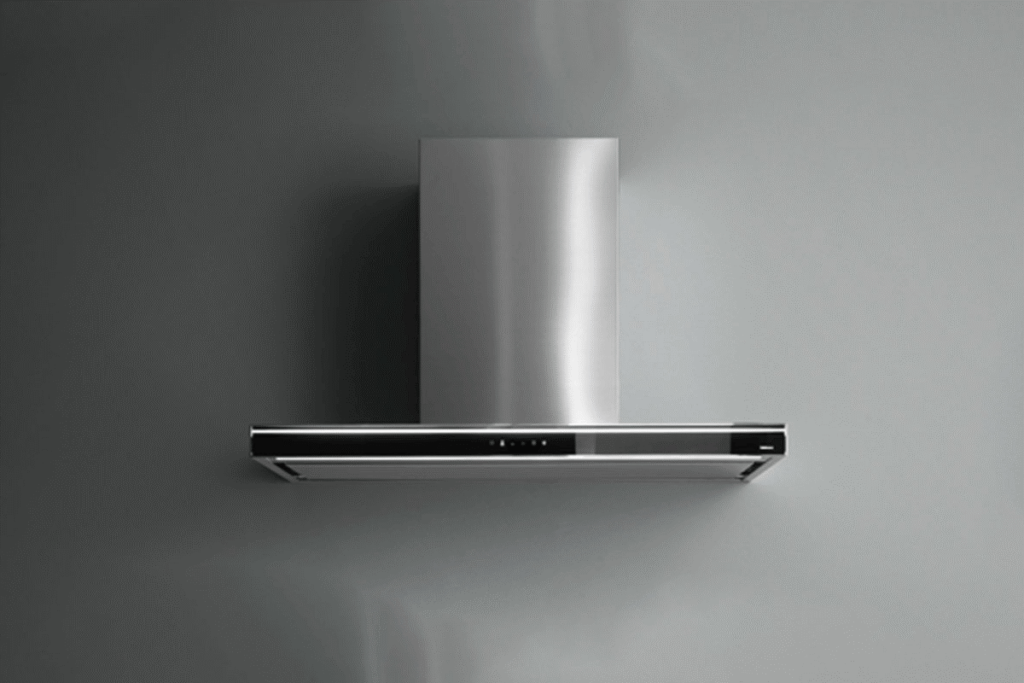
This is where most people get it wrong. They pick the hood first and figure out the rest later.
That approach leads to poor results.
Before installing Built-in Hoods, you need to consider:
- Exact cabinet dimensions
- Ducting route and outlet position
- Power requirements based on cooking habits
- Accessibility for cleaning filters
Missing any of these points affects performance.
Long-Term Impact on Your Kitchen
Ventilation affects more than just air quality.
Over time, a good system helps:
- Reduce grease buildup on surfaces
- Keep cabinets in better condition
- Maintain a fresher indoor environment
- Lower the effort needed for cleaning
A poorly ventilated kitchen always feels harder to maintain.
Final Take
A kitchen is used every day, not occasionally. Small design decisions either make that experience easier or more frustrating over time. Ventilation is one of those decisions.
Built-in Hoods solve a practical problem without adding a visual one. They keep the air clean, the space organised, and the design consistent. If your kitchen is being planned with care, this is not something to leave as an afterthought.
Metallica approaches kitchens as a complete system. That matters when installing Built-in Hoods because the appliance needs to fit into the design without compromise. Browse our collection or get in touch with our team at +971-55-9670902.
FAQs
Yes, as long as the suction capacity matches your cooking needs.
No, but regular cleaning of filters is necessary for proper performance.
Yes, but it may require modifying cabinets and ducting.
In many cases, yes, especially when installed correctly.
They make better use of space by integrating with cabinetry instead of occupying extra room.